If your credit took a hit from debt settlement or bankruptcy, you've probably noticed a frustrating catch-22: you need credit history to rebuild your score, but nobody wants to extend credit to someone with a damaged file. The secured credit card exists precisely for this gap. It's not a gimmick and it's not a trap — it's a simple, well-understood tool that works when you use it deliberately and fails when you don't.
This guide covers how secured cards actually work, how to choose one without overpaying, how to use it to build a clean record, and how to graduate to a regular card when you're ready.
What a secured credit card is (and isn't)
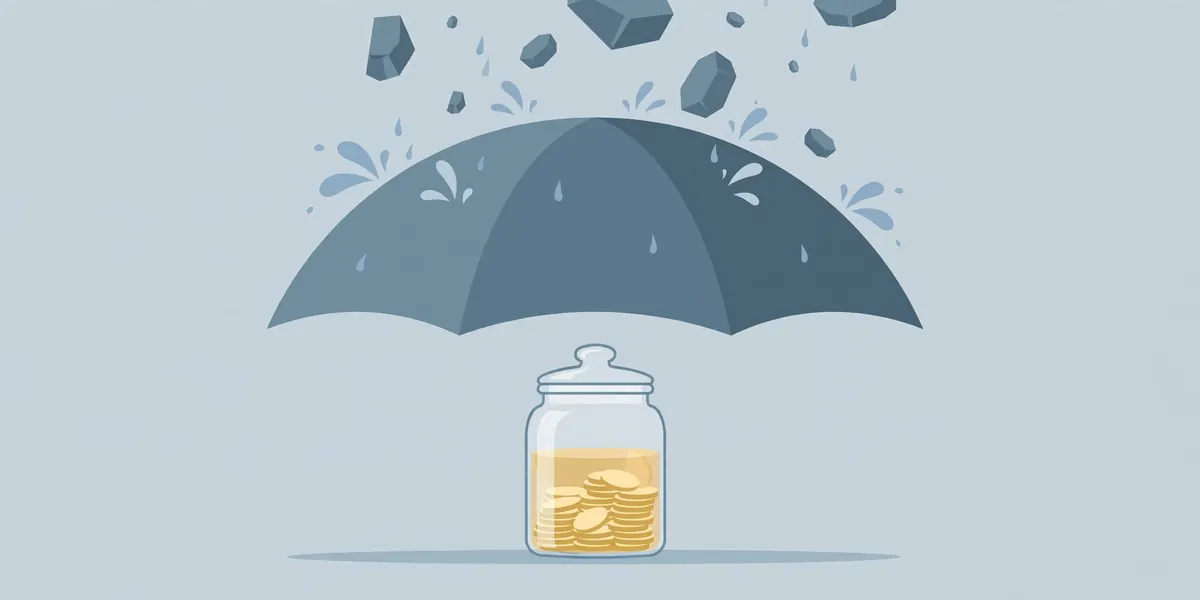
A secured credit card works like a regular credit card with one key difference: you put down a refundable cash deposit up front, and that deposit typically sets your credit limit. The CFPB describes the standard setup this way — with most secured cards, you place an amount equal to your credit limit into an account as a deposit.
That deposit is collateral, not a prepayment. You still get a monthly bill and you still must make at least the minimum payment each month. If you don't pay, the issuer can use your deposit to cover what you owe — but missed payments still get reported to the credit bureaus and still damage your score. The deposit protects the bank, not you.
What a secured card is not:
- Not a prepaid or debit card. Prepaid cards don't extend credit, so they don't build credit history. Secured cards report your payment activity to the credit bureaus, which is the entire point.
- Not free money or a second income. It's a credit-building tool with a small limit. Treat it like one.
- Not a fast fix. One secured card won't erase a bankruptcy. It gives scoring models fresh, positive data to weigh against the old negative marks — and that takes months of consistent use.
Why it works for rebuilding
Credit scores are built from the information in your credit reports, and the two factors that matter most are whether you pay on time and how much of your available credit you use. After a settlement or bankruptcy, your file is heavy on old negatives and light on current positives. A secured card lets you start generating new positive data immediately.
The FDIC's consumer guidance puts it plainly: get the card from a bank that will report it to the credit reporting agencies, so you begin to build your credit history. That reporting is the whole mechanism. Every on-time payment becomes a positive mark; every month of low balances demonstrates restraint. Over time, as the CFPB notes, showing you can pay on time may lead to a raised credit limit and a refunded deposit.
One reassuring detail: when a secured account is reported to the bureaus, it generally appears as a standard revolving account. What matters to future lenders is the payment history it shows, not the word "secured."
How to choose one: what actually matters
Not all secured cards are equal. Some are fair, low-cost tools; others are fee machines aimed at desperate borrowers. Here's what to compare, in order of importance:
### 1. It must report to all three credit bureaus
This is non-negotiable. A card that reports to only one bureau — or to none — does little for your overall credit profile. The FDIC specifically advises consumers to confirm reporting before applying. Check the card's terms or ask the issuer directly: "Do you report to Equifax, Experian, and TransUnion every month?" If the answer is vague, move on.
### 2. Fees: less is more
The CFPB warns that fees and interest rates can be high for secured cards. Compare:
- Annual fee. Many reputable secured cards charge no annual fee. Avoid cards with high annual fees unless you have a specific reason.
- Application or processing fees. Legitimate issuers don't charge you just to apply.
- Monthly maintenance fees. Some subprime cards stack monthly fees on top of annual fees. Add them up over a year before deciding.
- Deposit minimum. Typical minimums run $200–$300. A lower minimum is fine if that's what you can afford — the limit will be small, but small is all you need.
### 3. APR (for the months you slip)
Plan to pay in full every month, which makes the APR irrelevant most of the time. But life happens, and secured card APRs are often high — frequently above 20%. Knowing the rate in advance keeps one bad month from becoming a surprise. Never choose a card because of its APR; choose it for fees and reporting, and treat the APR as emergency information.
### 4. A clear graduation path
The best secured cards offer a defined route to an unsecured card: after a period of responsible use (often 7–12 months, though it varies by issuer), the issuer reviews your account, and may return your deposit and convert the card to a regular unsecured card — sometimes with a higher limit. Ask about this before you apply. A card with no graduation path means you'll eventually close it to get your deposit back, which shortens your account history.
### 5. The issuer's reputation
Stick with established banks, credit unions, or well-known card issuers. Be wary of cards marketed aggressively to people with bad credit through unsolicited mail or pop-up ads, especially those with unfamiliar company names and heavy fee schedules. When in doubt, your own bank or a local credit union is a solid starting point.
How to use it without falling back into debt
This is where rebuilds succeed or fail. The card is a tool for generating a payment record — not a way to spend money you don't have. The safest system:
The one-bill method. Put a single small, recurring charge on the card — a streaming subscription, a phone bill, something you'd pay anyway. Set up autopay for the full statement balance. Then put the physical card somewhere inconvenient (a drawer, not your wallet). Each month you get a perfect payment and a tiny utilization ratio with zero decisions to make.
If you carry it, set rules in advance. If you prefer using the card for daily spending, decide the rules before the first swipe: a hard weekly spending cap, a requirement to log every purchase, and a personal rule to pay the balance down weekly rather than waiting for the statement. The CFPB's rebuild guidance notes that some experts suggest using no more than 30% of your limit, with others advising under 10% — on a $300 limit, that's $90 or $30. Treat the limit as a ceiling you'll never approach, not a target.
Never use the deposit as a mental safety net. Thinking "the deposit covers it if I can't pay" is how people damage the very score they're rebuilding. The deposit is the bank's protection. Your protection is paying on time.
Watch for the lifestyle creep. The most common failure pattern: the card works, the score rises, the issuer raises the limit, and spending rises to match. A higher limit is a scoring advantage only if your spending stays flat. If you notice your balance creeping up month after month, go back to the one-bill method.
Graduating to an unsecured card
After 6–12 months of on-time payments and low balances, check in with your issuer about graduation. Many issuers review secured accounts automatically; others require you to ask. Either way, know what to expect:
- Deposit refund. When you graduate (or close the account in good standing), you get your deposit back, sometimes with interest depending on the account terms.
- Keep the account open if you can. If the issuer converts your secured card to an unsecured card and keeps the account history intact, that's ideal — the age of the account continues to help your file. Closing your oldest rebuilding account to chase a shiny new card can actually set you back.
- Don't rush to apply for premium cards. One graduation is a milestone, not a finish line. Let the new unsecured account age with the same on-time, low-balance habits before adding more.
If your issuer has no graduation path, that's okay — after a year of clean history you can apply for a no-annual-fee unsecured card elsewhere, then close the secured card and reclaim the deposit. Just don't close it before the new account is open and reporting.
For the bigger picture of where a secured card fits in your recovery, see our step-by-step playbook: How to Rebuild Credit After Debt Settlement or Bankruptcy.
Traps and fine print to watch
- Cards that don't report to all three bureaus. Worth repeating because it's the most common way people waste a year of perfect payments.
- "Guaranteed approval" marketing paired with steep fees. Approval may be easy, but a $95 annual fee plus $10 monthly maintenance on a $300 limit is a bad deal. Read the fee schedule as a yearly total.
- Confusing the deposit with a payment. Missing a payment because "they have my deposit" still counts as a missed payment on your reports.
- Upgrading your lifestyle with your limit. Covered above, but it bears repeating: limit increases are for your score, not your spending.
- Applying for several cards at once. Each application can cause a small, temporary dip. One good secured card is enough to start. The CFPB cautions against opening a lot of new accounts in a short time.
A note on bankruptcy and new credit
Some people worry that opening new credit after bankruptcy looks bad, or that they're somehow not "allowed" to. There's no such rule. What matters is behavior: one manageable account, paid on time, is exactly what the recovery process looks like. If you're unsure how new credit interacts with your specific situation — for instance, during an active Chapter 13 repayment plan, where taking on new debt may require court approval — speak with a qualified attorney. Our overview of common misconceptions may also help: bankruptcy-myths-vs-facts.
The bottom line
A secured card is about as simple as credit rebuilding gets: deposit, small purchases, on-time payments, low balances, patience. Choose one that reports to all three bureaus, costs little in fees, and offers a path to unsecured — then make it boring. Boring is the goal. Month after month of boring, on-time, low-balance history is what turns a damaged file into a recovering one.
DebtRelief.site publishes general educational information only — not financial, legal, or tax advice. Consider speaking with a qualified professional about your situation.