
For individual consumers in the United States, bankruptcy almost always means one of two chapters of the federal Bankruptcy Code: Chapter 7 or Chapter 13. They share a goal — a court-supervised path out of debts you cannot pay — but they work in fundamentally different ways, take very different amounts of time, and suit very different situations.
This article is a plain-English comparison of the two. It is legal information, not legal advice: bankruptcy is a federal court proceeding with state-by-state variations, and the details of your situation matter enormously. Consider speaking with a licensed bankruptcy attorney before making any decision.
The core difference: liquidation vs. repayment
Chapter 7 is often called “liquidation” bankruptcy. A court-appointed trustee reviews your assets, sells any that are not protected by law (“nonexempt” assets), and distributes the proceeds to your creditors. In exchange, most of your remaining unsecured debts are discharged — wiped out by court order — typically within a few months. You do not repay the discharged debts.
Chapter 13 is often called “reorganization” or “wage earner’s” bankruptcy. Instead of liquidating assets, you propose a court-approved repayment plan: you make monthly payments to a trustee for three to five years, and the trustee distributes the money to your creditors. At the end of the plan, remaining balances on eligible unsecured debts are discharged. You keep your property throughout, as long as you make the plan payments.
The shorthand: Chapter 7 trades nonexempt assets for a fast discharge; Chapter 13 trades years of payments for keeping your assets and catching up on debts like mortgage arrears.
Who qualifies: the means test and other gates
### Chapter 7 and the means test
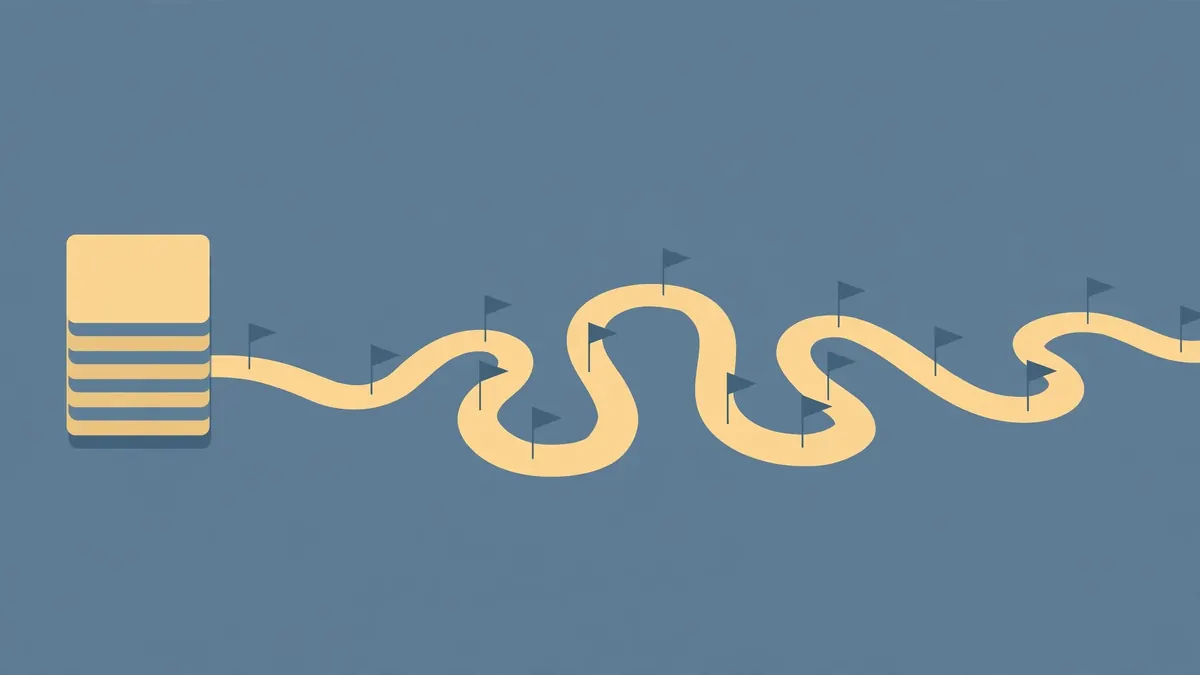
To file Chapter 7, most individual filers must pass the means test. The test compares your household income — averaged over the six months before filing — against the median income for a household of your size in your state. If your income is below the median, you generally qualify. If it is above, a second, more detailed calculation subtracts allowed living expenses to determine whether you have enough disposable income to fund a Chapter 13 plan instead.
The means test exists to steer filers who can afford to repay some of their debts toward Chapter 13. It is not the only gate: you also cannot receive a Chapter 7 discharge if you received one in the eight years before filing, and your case can be dismissed if you fail to comply with court orders or required disclosures.
### Chapter 13: regular income required
Chapter 13 has no means test, but it has its own requirements. You must have regular income — wages, self-employment income, benefits — sufficient to fund the monthly plan payments. You must also be current on your tax filings, and your total secured and unsecured debts must fall within statutory limits set by the Bankruptcy Code (these limits are adjusted periodically, so confirm the current figures before planning around them). Corporations cannot file Chapter 13; it is for individuals and sole proprietors.
### Both chapters require credit counseling
Before filing under either chapter, you must complete a credit counseling session with an agency approved by the U.S. Trustee Program — generally within 180 days before filing. A second requirement, a debtor education (financial management) course, must be completed before you can receive your discharge. These are federal requirements, not optional extras.
Timelines: months vs. years
The timeline difference is one of the starkest contrasts between the chapters:
- Chapter 7: From filing to discharge typically takes about three to six months — often around four months in straightforward cases with no assets for the trustee to sell. The discharge order arrives roughly 60 to 90 days after the meeting of creditors (the brief hearing where the trustee and any attending creditors can ask you questions under oath).
- Chapter 13: The repayment plan itself lasts three to five years. The exact length depends on your income relative to your state’s median: below-median filers generally propose three-year plans, while above-median filers must propose five-year plans. The discharge comes only after you complete all plan payments.
That timeline gap shapes everything else. Chapter 7 is a sprint with a hard landing on your credit; Chapter 13 is a marathon that keeps you under court supervision for years but lets you keep paying your way through.
What happens to your property
This is the fear that keeps most people from even considering bankruptcy — and it is largely a misunderstanding. (See bankruptcy myths vs. facts for the full myth-busting.)
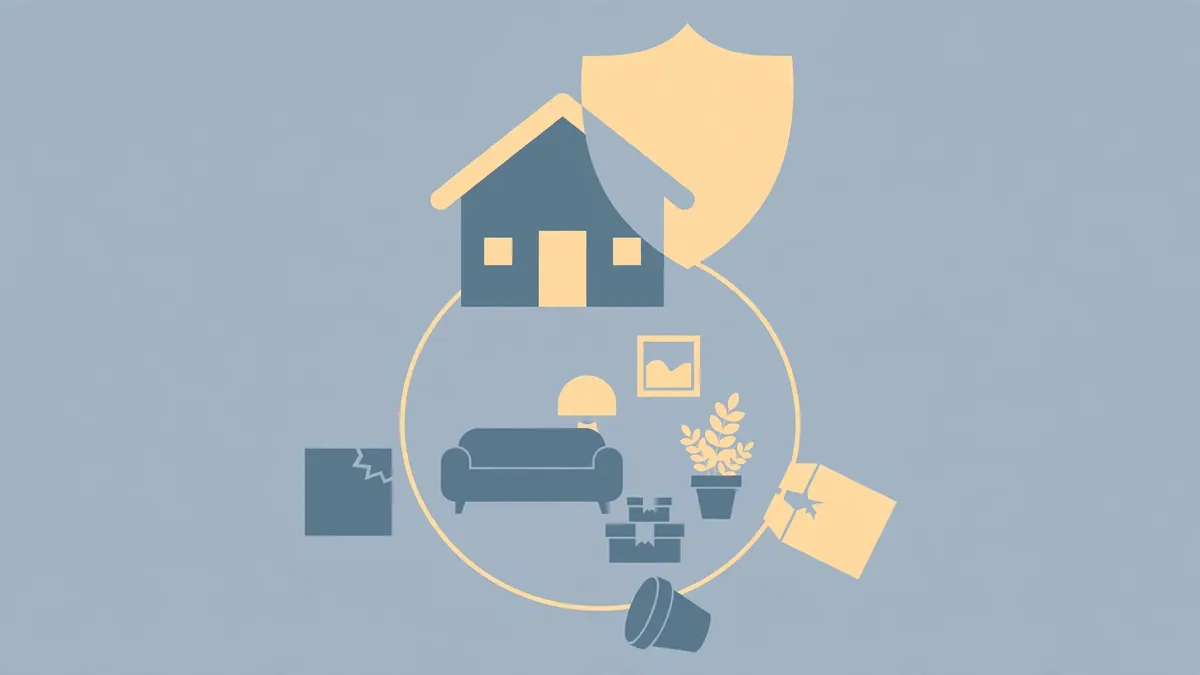
In Chapter 7, the trustee can sell nonexempt assets. But federal and state exemption laws protect broad categories of property: equity in a home up to a limit, a vehicle up to a limit, household goods, clothing, tools of your trade, and — critically — most retirement accounts such as 401(k)s and IRAs, which are generally fully protected. Exemptions vary significantly by state; some states let you choose between federal and state exemption schemes. In practice, the majority of individual Chapter 7 cases are “no-asset” cases: exemptions cover everything the filer owns, the trustee sells nothing, and the filer keeps all of their property.
In Chapter 13, you keep all of your property — exempt or not — because creditors are being paid through the plan instead. That is one of the main reasons people choose Chapter 13: to protect a home with equity above the exemption limit, or to keep a car while catching up on missed payments over time.
One important nuance for secured debts: bankruptcy can discharge your personal liability on a debt, but it does not remove a creditor’s lien. If you want to keep a house or car with a loan against it, you generally must keep making the payments — in either chapter — or the lender can still repossess or foreclose.
What each chapter costs
Filing bankruptcy is not free, and the costs differ by chapter. As of 2026, the federal court filing fees are:
- Chapter 7: $338 (a $245 filing fee, a $78 administrative fee, and a $15 trustee surcharge)
- Chapter 13: $313 (a $235 filing fee and a $78 administrative fee)
These fees are set under 28 U.S.C. § 1930 and the courts’ miscellaneous fee schedule, and they are adjusted from time to time — always confirm the current figure with your local bankruptcy court before filing.
Beyond the filing fee, expect the required credit counseling and debtor education courses (modest fees, with waivers sometimes available) and, realistically, attorney fees — which are typically higher for Chapter 13 because of the years of plan administration involved. If you genuinely cannot afford the Chapter 7 filing fee, two options exist: you can ask the court to let you pay in installments, or — if your income is below 150% of the federal poverty guidelines — you can apply to have the fee waived entirely. Installment payment is also available in Chapter 13.
The automatic stay: what filing does immediately
The moment either type of bankruptcy petition is filed, an automatic stay goes into effect. This is a federal court order that halts most collection activity against you: collection calls and letters, lawsuits over debts, wage garnishments, and — temporarily — foreclosures and repossessions.
“Most” is doing important work in that sentence. The stay does not stop everything: criminal proceedings, certain tax proceedings, and actions to collect domestic support obligations (child support, alimony) generally continue. And creditors can ask the court to lift the stay in specific circumstances. But for ordinary unsecured debts, the stay is immediate and powerful — it is one of the main legal protections bankruptcy offers that debt settlement cannot.
Debts that generally survive bankruptcy
Bankruptcy does not wipe out every kind of debt. Under the Bankruptcy Code, certain debts are nondischargeable — they survive the case and you still owe them afterward. The U.S. Trustee Program’s official Bankruptcy Information Sheet lists the main categories:
- Most taxes — recent income taxes and certain other tax debts generally cannot be discharged (some older income tax debts can be, but only under strict timing and filing rules).
- Child support and alimony (domestic support obligations).
- Most student loans — dischargeable only if you file a separate adversary proceeding and prove “undue hardship,” a difficult standard in most courts.
- Court fines and criminal restitution.
- Debts for personal injury caused by driving under the influence.
- Debts incurred through fraud may also be excepted from discharge if the creditor proves it.
This list applies in both chapters, though Chapter 13’s discharge is slightly broader in a few narrow categories. The practical takeaway: if most of what you owe is student loans, recent taxes, or support obligations, bankruptcy may not deliver the relief you are hoping for — which is exactly the kind of assessment a licensed bankruptcy attorney can help you make.
Credit-report impact: 10 years vs. 7 years
Both chapters damage your credit significantly — bankruptcy is among the most severe negative events a credit file can carry. But the reporting durations differ:
- Chapter 7 can remain on your credit report for up to 10 years from the filing date.
- Chapter 13 can remain for up to 7 years from the filing date.
The Consumer Financial Protection Bureau confirms that bankruptcies can stay on a credit report for up to ten years. The impact lessens over time, and rebuilding can begin immediately after discharge — new on-time payments and responsible credit use are recorded alongside the old filing, and lenders weigh recent behavior more heavily as the years pass. For a step-by-step recovery playbook, see how to rebuild credit after debt.
Side-by-side summary
| Chapter 7 | Chapter 13 | |
|---|---|---|
| Core mechanism | Liquidation of nonexempt assets | Court-supervised repayment plan |
| Eligibility | Means test (income vs. state median) | Regular income; debt within statutory limits |
| Timeline | ~3–6 months to discharge | 3–5 year plan, then discharge |
| Property | Nonexempt assets may be sold; exemptions protect essentials | You keep all property while making plan payments |
| Filing fee (as of 2026) | $338 | $313 |
| Credit report | Up to 10 years from filing | Up to 7 years from filing |
| Best suited for | Lower-income filers with mostly unsecured debt and few nonexempt assets | Filers with regular income who need to catch up on mortgage/car arrears or protect nonexempt assets |
| Repeat filing | Discharge available once every 8 years | Different timing rules apply |
The bottom line
Chapter 7 and Chapter 13 are two different tools for two different situations: a fast liquidation for those who qualify and have little to protect, versus a years-long repayment plan for those with steady income and assets — or arrears — worth preserving. Both carry real costs, real credit damage, and real limits on what they can discharge. Neither is “the easy way out,” and neither is a moral verdict on you. They are legal processes, designed for exactly the situation of owing more than you can pay. Before choosing between them — or between bankruptcy and any other path — get advice tailored to your actual finances from a licensed bankruptcy attorney.
This is legal information, not legal advice — consider speaking with a licensed bankruptcy attorney.
DebtRelief.site publishes general educational information only — not financial, legal, or tax advice. Consider speaking with a qualified professional about your situation.